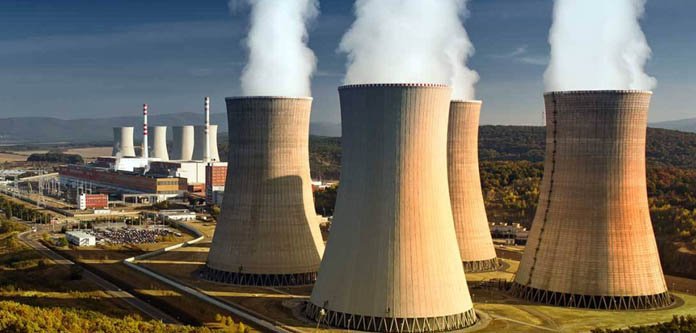
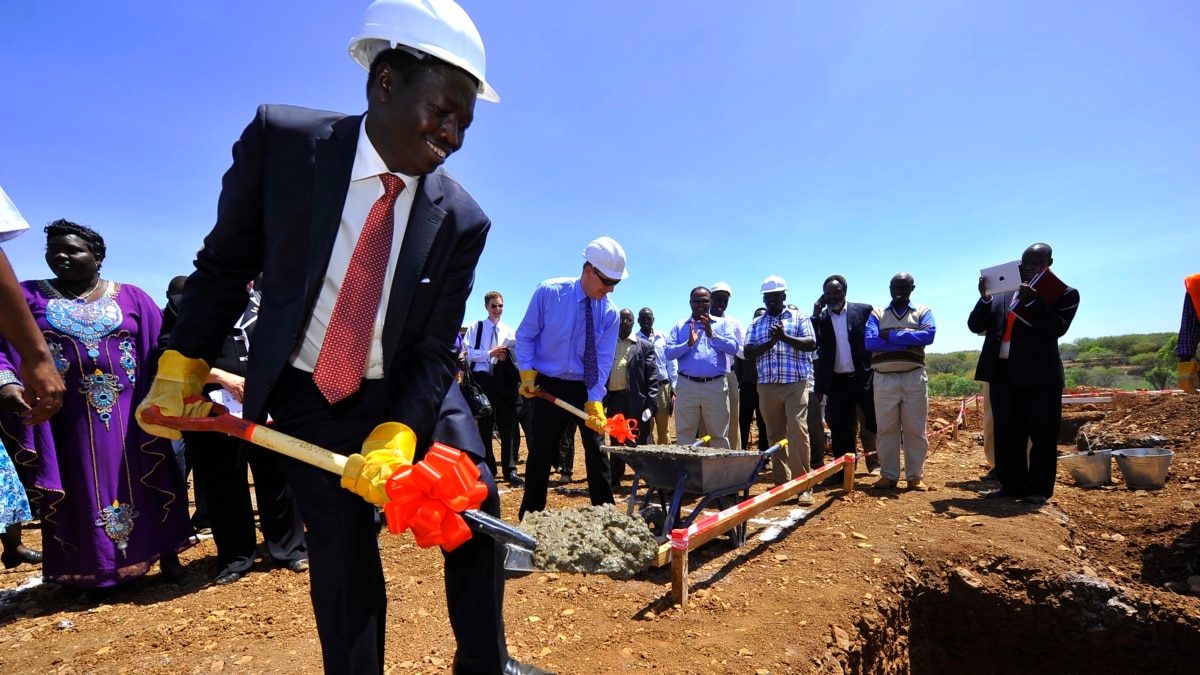
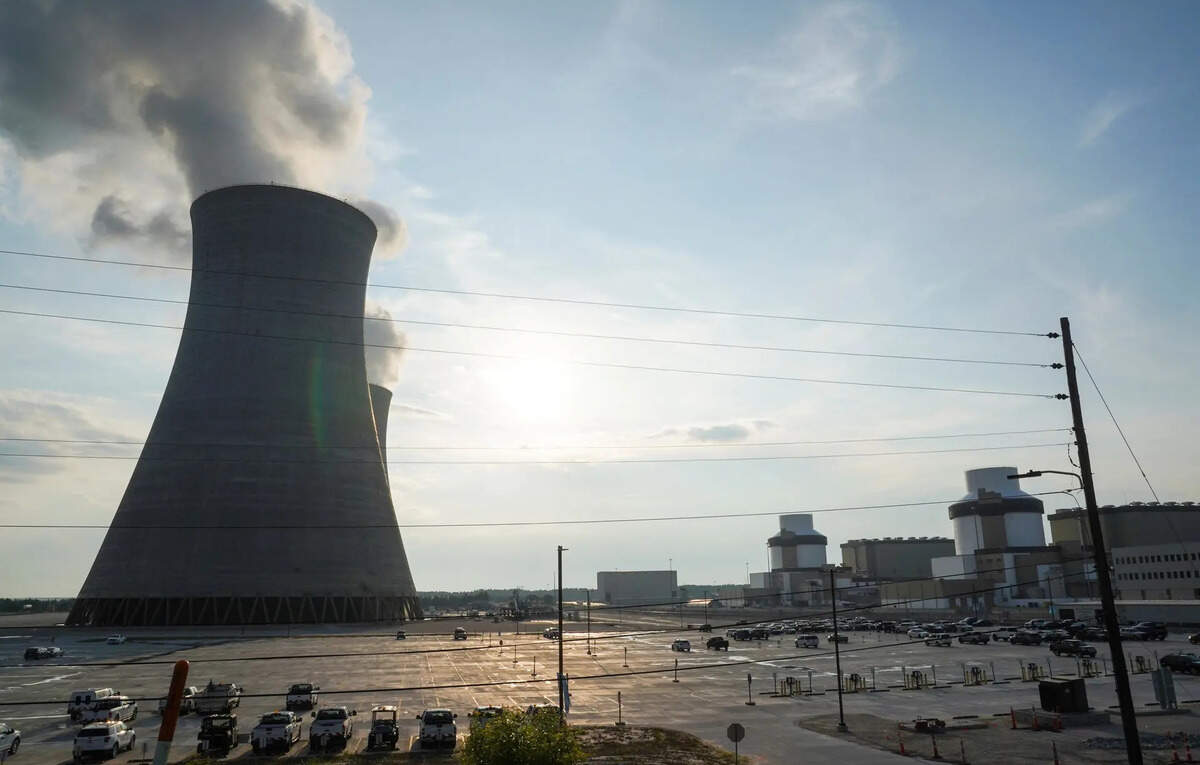
In 2017, the Kenya Nuclear Electrification Board (Kneb) estimated that a 1,000 MW nuclear plant could be operational by 2027 and cost Ksh500-600 billion (US$5-$6 billion), to be located near a large body of water, such as the Indian Ocean, Lake Victoria or Lake Turkana.
Background
In September 2010 Former Energy and Petroleum Ministry PS Patrick Nyoike announced that Kenya aimed to build a 1,000 MW nuclear power plant between 2017 and 2022. The projected cost using South Korean technology was US$3.5 billion. Nuclear and renewable sources of energy such as wind, solar and geothermal plants could play a major role in helping Kenya achieve middle income status, as the reduction of carbon emissions becomes a higher priority.
Nuclear energy programme
Kenya has embarked on a programme to see the country generate 1 GW (1,000 MW) from nuclear sources between 2020 and 2022. It was planned that by 2030 Kenya would have installed a capacity of 4 GW of nuclear energy, generating about 19% of Kenya's energy needs, meaning that nuclear power would be the second-largest source of energy in Kenya coming second after geothermal power, a clean form of energy.
The Kenya Nuclear Electricity Board (NuPEA) is in charge of spearheading this sector in the country.
See also
- Geothermal power in Kenya
- Wind power in Kenya
References
External links
- Kenya Nuclear Electricity Board
- Renewable Energy Portal (Kenya)
- Ministry of Energy and Petroleum (Kenya)
- Energy Regulatory Commission (Kenya)
- Geothermal Development Company (Kenya)
- Kenya Power
- KenGen